Space for care
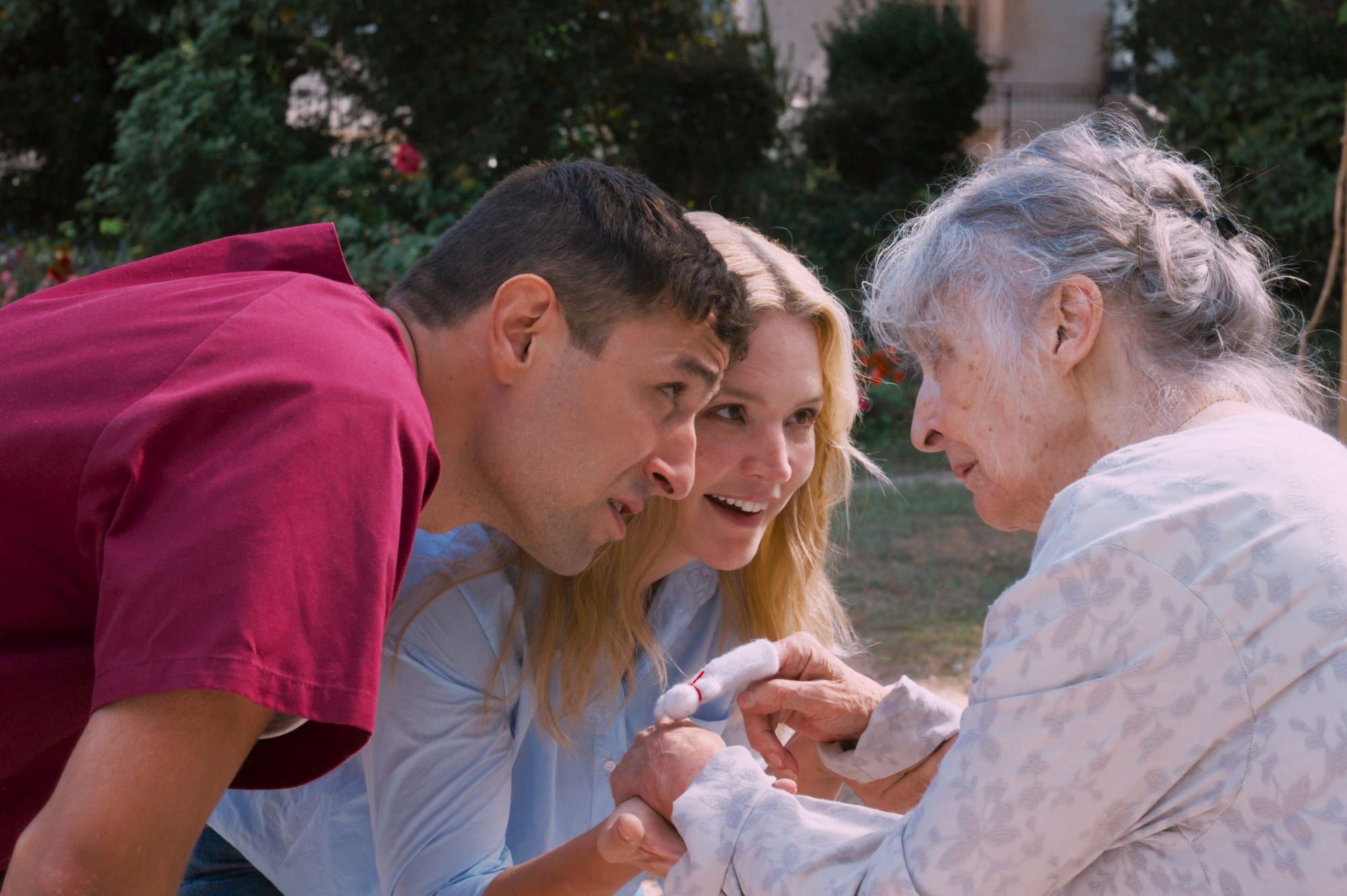
Last week, I saw a film, “All of a Sudden”, by Ryūsuke Hamaguchi. It’s a film mainly set in Paris, about Marie, a director of an aged care facility.
I found this film incredibly real and moving. I worked as a care worker for a chunk of the mid-nineties. I mainly worked with people with disability, but also in aged care.
This film captured the experience vividly and truly. I was pushed back in time while watching it. Relating to the details and experiences I’d forgotten.
I worked a lot in residential care, so various homes, some with 2-3 people living in them; some with more like fifty; then some which were much more like hospitals. I also worked in an older, 19th-century institution, Kew Cottages. Originally an “idiot asylum”, it had been converted to a large residential facility with hundreds of residents with disability.
My job at Kew was to take residents out each day for community access. We’d gather each morning, jump in a minibus, and pick up the same group from the different units scattered around the grounds. We’d then head out to do activities like bush walking, cooking, or exercise classes.
Working there in my twenties, my main reference was probably One Flew Over the Cuckoo’s Nest; the buildings, perched on a hill, were from another time. Much like the facility in “All of a Sudden”, beautiful in some ways, but thick with ghosts of past abuses.
In the film, many of the residents have dementia, and it captured the truly bittersweet nature of care. Really wonderful workers giving love and attention to residents who can’t always communicate or reciprocate. It can feel one way, sometimes a little futile, but then there are small glimpses and breakthroughs and tiny victories that let you know it’s real connection and it matters.
The film centres on a reform underway at the facility. They are working to adopt a new care framework called “humanitude”, which is about treating people like people. This name feels cloying; but maybe that was just the Japanese/French falling into English with a thud.
The idea of training people to treat people like people feels ridiculous; but it’s very much what we’ve come to. The irony of services that get bigger and bigger and worse and worse at care.
Services seem to lose their way as they grow. They become a complex organisation that needs to survive, with increasing time and effort going towards looking inward, securing funding, managing costs, and reducing risks. So ‘management’ gets bigger, and preservation becomes all-consuming. The net effect over the years is that the organisation is under constant strain, and the people providing the care feel unsupported and undervalued, usually because they are. If they turn up with the right energy, and provide quality care, not because of the processes and systems, but despite them.
None of this is anyone’s fault. Nobody wants this; nobody is fighting to make this happen; it just happens because the system bends things that way. The film talks (almost too explicitly) about capitalism being the force, the gravity, that makes us value productivity over care, or really anything else. Things are tilted this way.
What do we do with this?
I think it’s mainly about acknowledging and accepting the effects of the systems we live in. It means when we pick up the pens to design better service experiences, we understand the systems we are designing within.
People are good.
People care for each other, even when they need to push against the tide a bit to do so. We need to find ways to protect the system against erosion, just enough to leave space for real care.